
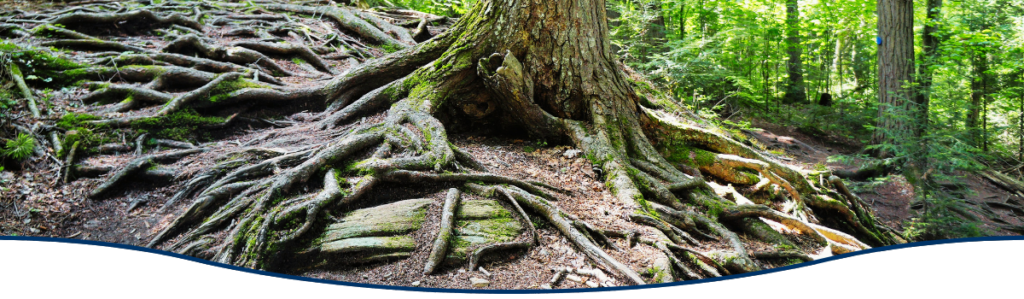
Each candidate Muskoka Heritage Area was evaluated using a series of general, abiotic, biotic and cultural criteria, as outline in each tab below.
General Criteria for Selecting Muskoka Heritage Areas
- Species at the edge of their range or disjunctive communities
- Biotic diversity
- Areas of high quality with little disturbance
- Significant animal habitat
- Distinctive or unique landforms
- Areas that contribute to regional hydrological processes
- Rare, threatened or endangered species
- Large undisturbed areas
- Representation of a full range of the biotic communities and landform processes found in Muskoka
Abiotic Criteria for Selecting Muskoka Heritage Areas
Objective: To identify a system of physical landscapes that incorporates the full diversity of bedrock, surficial, and aquatic landform types and features within Muskoka.
- The area has landform features or elements that are distinctive or unusual in Muskoka, Ontario or Canada.
- The area is representative of at least one landform type, process, or phase of development not adequately represented within existing protected areas.
- The area contributes to regional hydrological systems through ground or surface water storage or protection or enhancement of water quality.
Biotic Criteria for Selecting Muskoka Heritage Areas
Objective: To identify in a systematic way, the best examples of the full range of Muskoka’s biological heritage, including both aquatic and terrestrial habitats critical to the survival of healthy populations of native wild species.
- The area contributes to the full range of biotic representations in Muskoka by including community types of limited distribution.
- The area exhibits high diversity of native flora and fauna, either at the species or community level.
- The area contains biotic communities of unusual high quality or showing little recent disturbance.
- The area provides habitat for species of plants or animals that are rare, threatened or endangered in the Muskoka, Ontario or Canada.
- The area serves as a breeding, shelter, or feeding site for significant seasonal concentrations of wildlife or fish.
- The area is large enough to support species requiring extensive undisturbed habitats, or provides linkage between other significant natural areas.
- The area contains species or biotic communities of biogeographic significance, including those that are disjunct or at the limits of their distribution.
Cultural Criteria for Selecting Muskoka Heritage Areas
Objective: To identify a system of significant cultural landscapes and features within Muskoka, including those that are disjunct or at the limits of their distribution.
- The area is representative of historic or prehistoric theme or process significant to the development of Muskoka.
- The area contains sites or landscapes associated with well-known events or people, or distinctive ethnic groups.
- The area contains buildings, artifacts, travel routes, or landscape patterns of relative antiquity or duration.
- The area exhibits cultural characteristics unusual or unique to Muskoka, possessing high artistic values, or embodying distinctive examples of a type, period, or method of construction.
- The area contains elements that reflect the distinctive values, attitudes, traditions, and lifeways of the people of Muskoka.
- The area has a high archeological potential, or known archeological significance.
- The area contains sites or landscapes with patterns of form, line, color, or texture that together present outstanding scenic value.